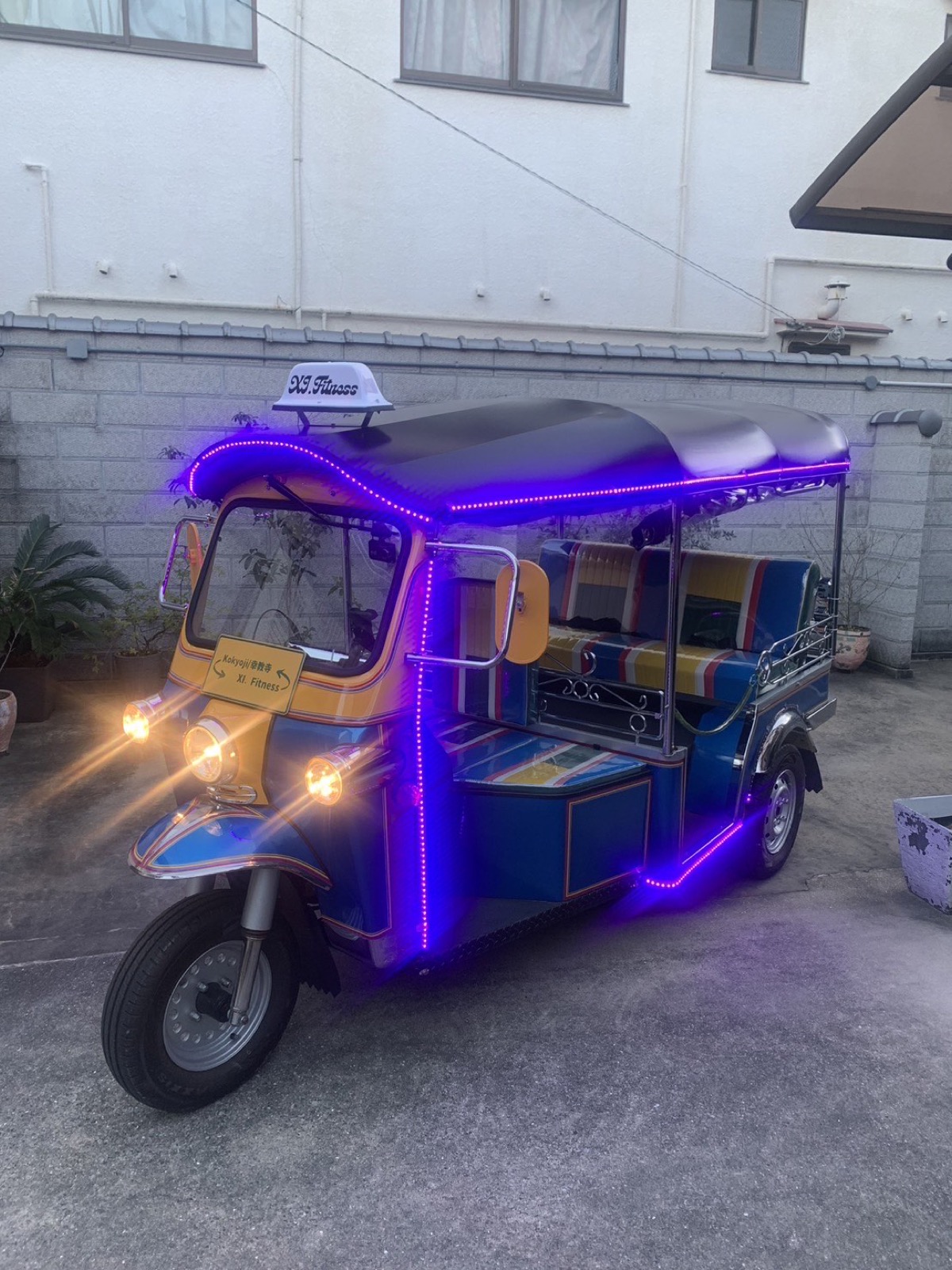
If you are planning a trip to Osaka and the idea of driving your own tuk-tuk through the city sounds like fun, the first question is always the same: am I actually allowed to drive in Japan with my license? This guide explains the rules for visitors in plain English — which documents work, which don’t, and what to bring on the day — based on what we check at our base every time someone rents a tuk-tuk from TukNori in Tsuruhashi.
- The short answer
- Option 1: International Driving Permit (1949 Geneva Convention)
- Option 2: A foreign license with an official Japanese translation
- Option 3: A Japanese driver’s license
- What kind of license do I need for a tuk-tuk?
- What to bring on the day
- A few driving rules worth knowing
- How the rental works
- FAQ
- Summary
The short answer
Yes, most visitors can drive in Japan, but only with the right paperwork. Japan does not accept every foreign license on its own. You need one of three things, and in every case the document has to be the original — copies and photos on your phone are not accepted at any rental counter in Japan, including ours.
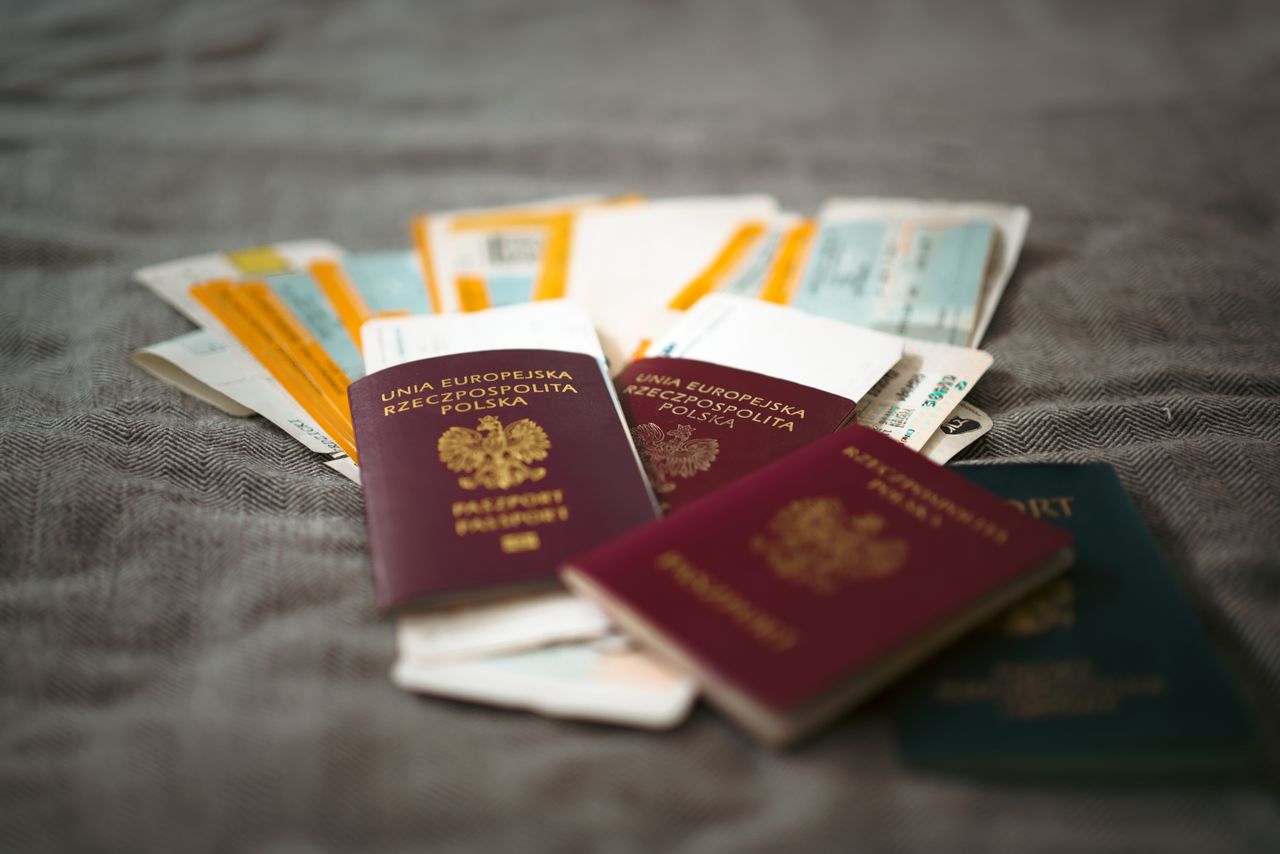
Option 1: International Driving Permit (1949 Geneva Convention)
This is the route for the majority of travellers: the United States, the United Kingdom, Australia, Canada, New Zealand, Singapore, Malaysia, Thailand, the Philippines, most of Europe and many more. The permit must be issued under the 1949 Geneva Convention — Japan does not recognise permits issued under the 1968 Vienna Convention. Your home country’s automobile association issues it, usually in a day, and it is valid for one year. You must carry it together with your home-country license; the permit alone is not valid.
Important: you cannot obtain an International Driving Permit in Japan. Get it before you fly.
Option 2: A foreign license with an official Japanese translation
A few countries do not issue Geneva-Convention permits, so Japan accepts their licenses when accompanied by an official Japanese translation. This currently applies to licenses from Switzerland, Germany, France, Belgium, Monaco and Taiwan. The translation has to come from an authorised body (such as the Japan Automobile Federation or your embassy), not from a translation app. Bring the original license and the original translation.
Option 3: A Japanese driver’s license
If you live in Japan and hold a Japanese license, that is all you need. A standard car license is enough — a tuk-tuk is driven like a small car.
What kind of license do I need for a tuk-tuk?
An ordinary car license. You do not need a motorcycle license, even though the tuk-tuk has three wheels. If your license is restricted to automatic transmission, that is fine for our vehicle. At check-in our staff explain the controls and you take a short practice run before heading out, so no previous tuk-tuk experience is needed.
What to bring on the day
- Your original driver’s license
- Your International Driving Permit (1949) or official Japanese translation, if you are not using a Japanese license
- Your passport
- ¥20,000 in cash for the refundable security deposit (returned when the tuk-tuk comes back on time, with a full tank and no damage)
- Shoes you can drive in — no sandals, heels or long skirts for the driver
If any of the documents are missing or not originals, we cannot hand over the vehicle, and it counts as a same-day cancellation. We would much rather answer a question before you book than turn you away at the counter — message us on LINE or Instagram if you are unsure whether your license qualifies.
A few driving rules worth knowing
- Japan drives on the left.
- Zero tolerance for alcohol: no drinks before or during the rental, for the driver.
- Tuk-tuks are not allowed on expressways, and some busy pedestrian streets in Namba and Dotonbori are off-limits. Our staff go through the map with you before you leave.
- Parking and traffic fines are the renter’s responsibility, so use proper car parks.
How the rental works
Plans start at ¥3,000 (+10% tax) for 1 hour; the most popular choice for visitors is the 6-hour Light Plan at ¥15,000 (+10% tax), which is enough for Osaka Castle, Shinsekai and the riverside with time to stop for food. Prices are per vehicle, and each tuk-tuk seats up to 4 people including the driver. Booking requests open two weeks ahead on our English page, we confirm by email, and nothing is charged until the day. Pick-up and return are both at our base, five minutes on foot from Tsuruhashi Station on the JR Osaka Loop Line.
FAQ
My IDP was issued under the 1968 Vienna Convention. Can I use it?
No. Japan only recognises the 1949 Geneva Convention permit. Check which convention your permit names — it is printed on the cover.
Can a friend without a license ride along?
Yes. Only the person driving needs a valid license; passengers just need a seat. Up to 4 people per tuk-tuk including the driver.
Can we swap drivers during the rental?
Yes, as long as every driver shows their original license and passport at check-in. Tell us when you book so we can register everyone.
Summary
Bring the original of your license, plus a 1949 Geneva Convention IDP (or an official Japanese translation for the handful of countries that use one), plus your passport — and you are ready to drive a tuk-tuk around Osaka. Sort the permit out at home before you travel, and send us a booking request once you know your dates.
🛺 Drive your own tuk-tuk around Osaka
Check availability and send a booking request — we reply by email in English. Pick-up is at our base in Tsuruhashi.
Questions? LINE / Instagram DM / info@tuknori.com